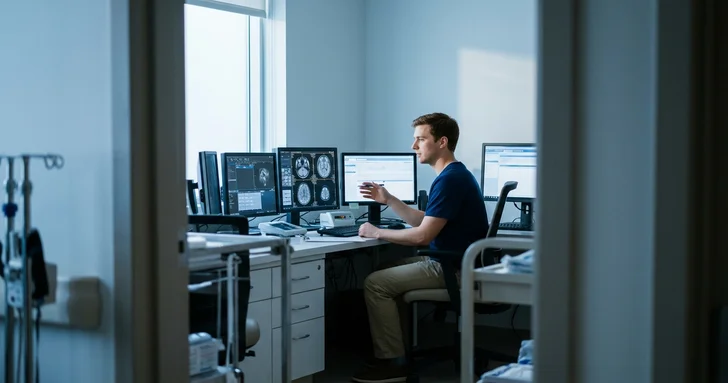








$95,480 per year is the median wage for an ARRT MRI technologist, with rising demand focused on implant safety and deep learning workflows.
Table of contents
- Competition for jobs
- How to prepare for the future
- Skills that will matter more
- Deep learning reconstruction and image optimization
- Complex implant clearance and MR Conditional protocols
- Advanced specialty clinical protocols
- Delegated workflows and remote scanning oversight
- Summary: is an MRI Technologist career future-proof?
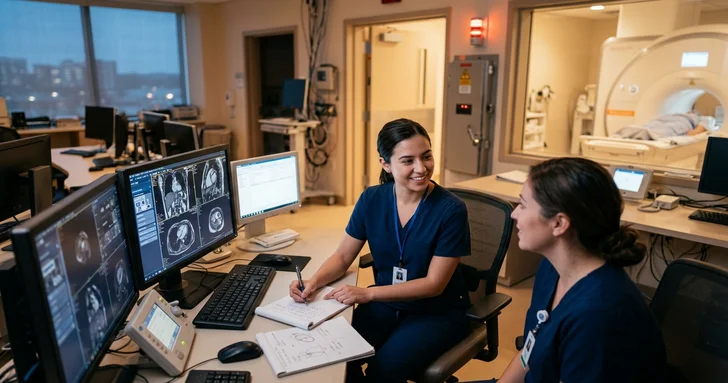
Demand for magnetic resonance imaging is expanding due to an aging population and broader diagnostic applications in neurology, cardiology, and oncology. Deep learning reconstruction tools and automated sequence protocols are speeding up exam times, shifting the daily workload of an ARRT MRI technologist toward implant safety evaluation, complex patient positioning, and real-time image quality verification.
Competition for jobs
Group | Competition | Comment |
|---|---|---|
New graduates | Moderate | Facilities prioritize applicants holding primary ARRT radiography certification who have completed post-primary MRI clinical competencies. |
Experienced (3+ years with ARRT certification) | Low | Hospitals and high-throughput outpatient centers face regular shortages of credentialed technologists qualified for high-field and specialty protocols. |
How to prepare for the future
Staying competitive in medical imaging requires mastering digital acceleration tools and handling complex clinical presentations.
Secure post-primary credentials: Complete the ARRT MRI examination to ensure licensure recognition and hiring eligibility across all fifty states.
Master reconstruction software: Learn how vendor algorithms process raw data to adjust sequence parameters without creating diagnostic artifacts.
Pursue safety officer education: Train under American Board of Magnetic Resonance Safety standards to manage complex implant clearances and specific absorption rate thresholds.
Skills that will matter more
While patient care and basic coil selection remain foundational, scanner software automation and advanced implant designs are raising technical demands.
Type of skill | Examples | Why it matters |
|---|---|---|
Hard (technical) | Deep learning reconstruction, MR Conditional implant programming, cardiac mapping | Automated sequence software shortens acquisition times, requiring the ARRT MRI technologist to verify diagnostic fidelity and set precise radiofrequency safety limits. |
Soft (social) | Claustrophobia mitigation, acute triage communication | Tighter scan schedules require rapid patient reassurance and clear protocol coordination with reading radiologists. |
Deep learning reconstruction and image optimization
Modern imaging platforms use deep learning reconstruction algorithms such as GE AIR Recon DL and Siemens Deep Resolve to reconstruct clear scans from undersampled data. These tools cut table time by up to half while preserving signal-to-noise ratios.
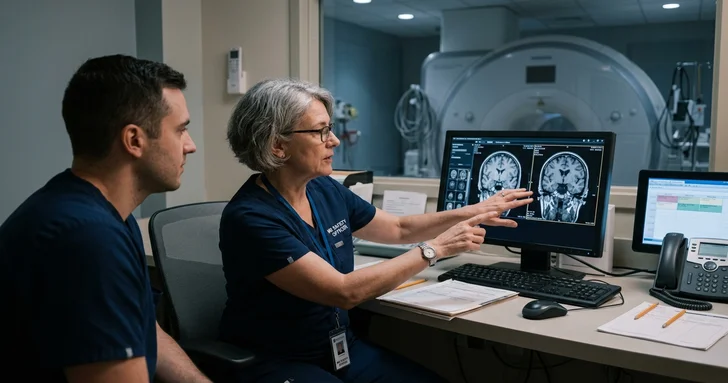
Technologists must evaluate reconstructed series at the console to identify synthetic smoothing or edge ringing before sending images to PACS. Selecting optimal denoising strengths and matrix sizes prevents lost anatomical detail in subtle orthopedic and neurological cases.
Complex implant clearance and MR Conditional protocols
More patients arrive with active electronic implants such as MR Conditional pacemakers, neurostimulators, and programmable infusion pumps. Clearing these patients requires thorough technical verification rather than simple visual screening.
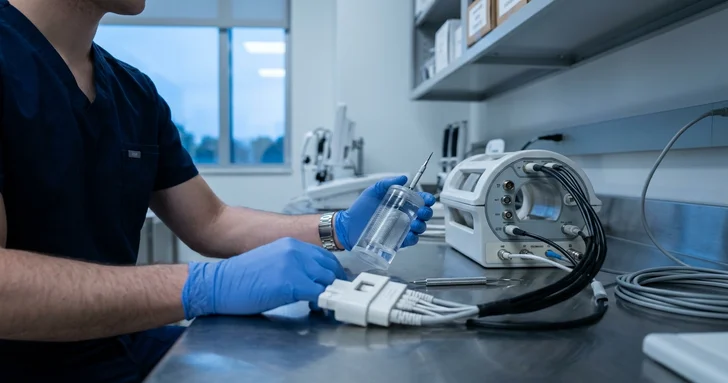
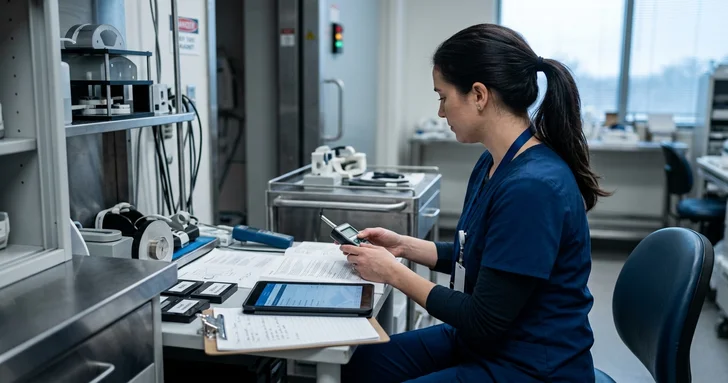
Technologists use resources like MagResource and manufacturer manuals to configure specific absorption rate limits and spatial field gradient tolerances. Operating within these parameters prevents device malfunction and thermal injury during high-power acquisitions.
Advanced specialty clinical protocols
Routine diagnostic scans are increasingly standardized, making advanced modalities the primary driver for career advancement. Clinical facilities actively recruit technologists skilled in complex neuro, prostate, and cardiac sequences.
Cardiac MRI requires real-time vectorcardiographic gating, arrhythmia management, and precise contrast timing for late gadolinium enhancement. Multi-parametric prostate and functional brain exams require meticulous diffusion b-value settings and dynamic susceptibility processing.
Delegated workflows and remote scanning oversight
Healthcare networks are adopting hub-and-spoke operational models where central technologists manage scanning sequences across multiple remote sites. On-site teams often include personnel holding the ARRT Imaging Assistant credential to manage suite prep and patient transfers.
The lead ARRT MRI technologist oversees safety protocols, IV contrast administration, and final image quality while delegating room turnaround tasks. This structure increases departmental throughput while maintaining strict American College of Radiology Zone IV safety standards.
Summary: is an MRI Technologist career future-proof?
Yes. The Bureau of Labor Statistics reports a median annual wage of $95,480 for magnetic resonance imaging technologists and projects employment growth faster than average through 2035. The physical requirements of patient positioning, acoustic management, and magnet safety prevent complete automation of the role.
Key steps for long-term career growth:
Maintain ARRT certification: Hold primary radiography credentials and the ARRT MRI registry to secure maximum job flexibility.
Specialize in advanced imaging: Build competency in multi-parametric prostate, functional MRI, and gated cardiac workflows.
Advance safety credentials: Complete coursework toward MRSO certification to oversee complex implant workflows and lead department safety operations.
Frequently asked questions
Yes. Employment for magnetic resonance imaging technologists is projected to grow faster than average through 2035, with a median annual wage of $95,480. Essential tasks such as physical patient positioning, acoustic management, and complex magnet safety cannot be fully automated.
Deep learning reconstruction algorithms can reduce table times by up to half while preserving signal-to-noise ratios. This shifts the technologist's daily focus toward evaluating reconstructed series at the console, selecting optimal denoising settings, and ensuring complex implant safety.
Technologists should secure primary ARRT radiography certification alongside post-primary ARRT MRI credentials. In addition, pursuing MR Safety Officer (MRSO) training under American Board of Magnetic Resonance Safety standards provides a major hiring advantage.
Facilities actively recruit technologists proficient in complex specialty workflows, including cardiac MRI with vectorcardiographic gating, multi-parametric prostate imaging, and functional brain examinations.

Content manager
Erica Niklasson